DJI Neo Wind Resistance & Weather Limits
The DJI Neo has a manufacturer-rated max wind speed of 8 m/s (28.8 km/h, 17.9 mph, Beaufort 4). That is its wind limit, so it can fly in wind up to that speed. For a safe margin, plan on sustained wind below about 20 km/h and keep gusts under the rating.
Aerodynamic performance, wind tolerance, and cold weather operating limits for the DJI Neo by DJI.
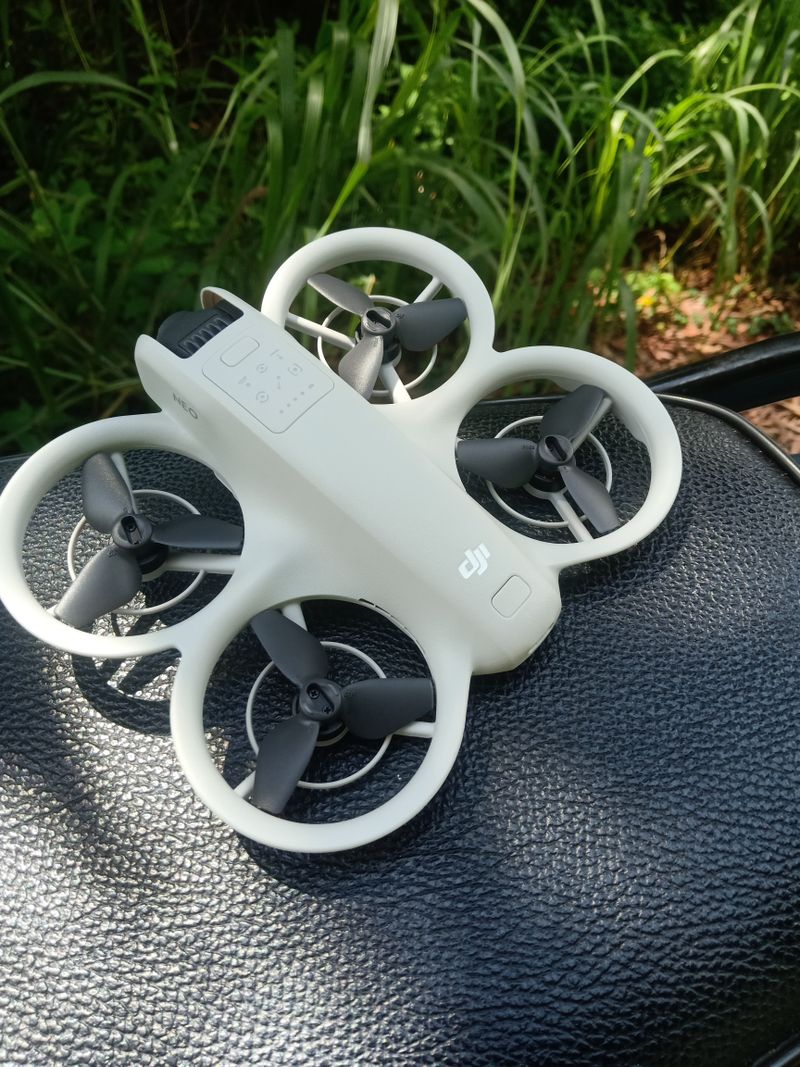 Illustrative photo; it may not show the DJI Neo. Photo: Pexels
The DJI Neo has a maximum wind resistance of 8.0 m/s (28.8 km/h / 17.9 mph / Beaufort Scale 4) and operates between -10°C and 40°C (14°F to 104°F). Weighing just 135g, it is not rainproof and is best suited for calm to moderate breezes.
Flyable Now (Within Limits)
New York (40.71°, -74.01°)
Technical Weather & Flight Limits Matrix
DJI Neo Aerodynamics & Wind Handling
Weighing a mere 135 grams with integrated full propeller guards, the DJI Neo is designed for palm takeoff and AI subject tracking. Because of its ultra-low mass and ducted prop design, its wind threshold is capped at Level 4 (8 m/s), making calm morning or sheltered park conditions ideal.
Cold Weather & Battery Chemical Behavior
With a compact 1435 mAh battery, cold weather below 5°C reduces the 18-minute flight time down to approximately 11–13 minutes. Keep spare batteries warm in an inner pocket until immediately before flight.
High Wind & Vertical Wind Shear Guidelines
Do not fly the DJI Neo over open water or near high coastal cliffs when winds exceed 6 m/s (21 km/h). Its maximum level speed is lower than larger drones, increasing risk of downwind flyaways.
Frequently Asked Questions About DJI Neo
Answers based on DJI’s published specifications and UAV Meteo’s weather limits.
Drones similar to the DJI Neo
Weather Tools for DJI Neo Pilots
Specifications are taken from DJI’s published product information for the DJI Neo. Real-world performance also depends on terrain, turbulence, battery condition and piloting. Always follow your local aviation rules.