DJI Air 3S Wind Resistance & Weather Limits
The DJI Air 3S has a manufacturer-rated max wind speed of 12 m/s (43.2 km/h, 26.8 mph, Beaufort 6). That is its wind limit, so it can fly in wind up to that speed. For a safe margin, plan on sustained wind below about 30 km/h and keep gusts under the rating.
Aerodynamic performance, wind tolerance, and cold weather operating limits for the DJI Air 3S by DJI.
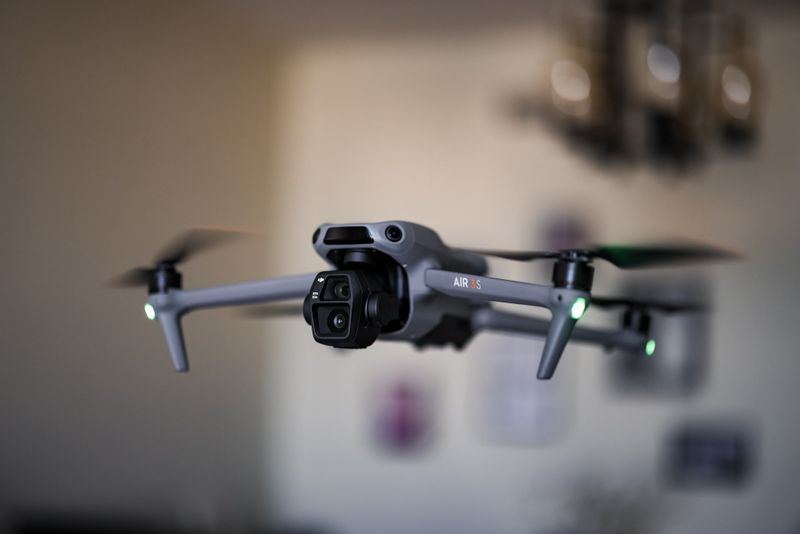 Illustrative photo; it may not show the DJI Air 3S. Photo: Pexels
The DJI Air 3S features a maximum wind speed resistance of 12.0 m/s (43.2 km/h / 26.8 mph / Level 6 Beaufort) and an operating range of -10°C to 40°C (14°F to 104°F). It offers 45 minutes of flight time and a 6,000m service ceiling.
Flyable Now (Within Limits)
New York (40.71°, -74.01°)
Technical Weather & Flight Limits Matrix
DJI Air 3S Aerodynamics & Wind Handling
Equipped with a 1-inch CMOS primary camera and forward-facing LiDAR for night obstacle avoidance, the 724g DJI Air 3S is built for demanding travel and landscape creators. DJI rates it for wind up to 12 m/s (Level 6), more than the Mini series, which gives it more margin on breezy coasts and hilltops.
Cold Weather & Battery Chemical Behavior
The Air 3S 4276 mAh high-capacity battery handles cold well, but pre-heating above 15°C is recommended below freezing. Monitor individual cell voltages in the DJI Fly battery menu during winter flights.
High Wind & Vertical Wind Shear Guidelines
With a top speed of 21 m/s (75.6 km/h) in Sport mode, the Air 3S can overcome severe headwind gusts. Use the vertical wind shear calculator to anticipate wind speed increases at 120m.
Frequently Asked Questions About DJI Air 3S
Answers based on DJI’s published specifications and UAV Meteo’s weather limits.
Drones similar to the DJI Air 3S
Weather Tools for DJI Air 3S Pilots
Specifications are taken from DJI’s published product information for the DJI Air 3S. Real-world performance also depends on terrain, turbulence, battery condition and piloting. Always follow your local aviation rules.