DJI Mini 4 Pro Windlimits & Wetterspezifikationen
Aerodynamische Leistung, Windtoleranz und Kaltwetter-Einsatzgrenzen für die DJI Mini 4 Pro von DJI.
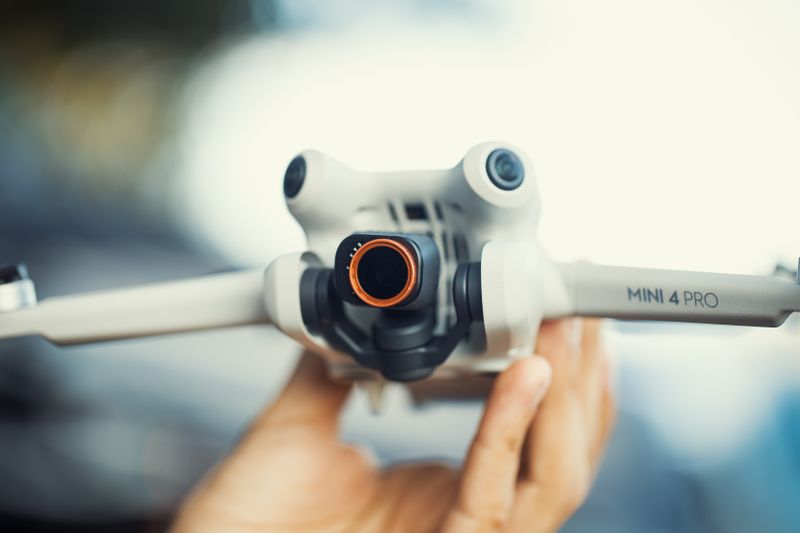 Photo: Pexels
The DJI Mini 4 Pro has a maximum manufacturer-rated wind resistance of 10.7 m/s (38.5 km/h / 23.9 mph / Beaufort Scale 5) and operates between -10°C and 40°C (14°F to 104°F). It has no IP water resistance rating and cannot fly in rain or heavy fog.
Jetzt fliegbar (Innerhalb der Grenzen)
New York (40.71°, -74.01°)
Technische Wetter- & Fluggrenzen-Matrix
DJI Mini 4 Pro Aerodynamik & Windverhalten
The DJI Mini 4 Pro is an ultra-lightweight sub-249g drone engineered with omnidirectional obstacle sensing and flagship O4 transmission. Despite its compact footprint, its upgraded brushless motors and aerodynamic prop geometry deliver Level 5 wind resistance. However, due to its lightweight airframe, gusty conditions near cliff edges or mountain ridges require extra power reserve for headwind return-to-home flights.
Kaltwetter & Akku-Chemie-Verhalten
In temperatures below 5°C (41°F), battery voltage drops faster due to increased chemical resistance. Always pre-warm batteries in an insulated bag or inside your jacket to at least 20°C before flight. Hover for 60 seconds after takeoff to allow battery self-heating, and initiate Return-to-Home (RTH) when battery capacity reaches 30%.
Starkwind & Vertikale Windscherungs-Richtlinien
At 100m to 120m altitude, wind speeds are frequently 1.5x to 2x higher than ground readings. Switch to Sport mode to utilize the full 16 m/s (57.6 km/h) forward speed when penetrating headwind, and always position the drone upwind during the first half of your battery cycle.
Häufig gestellte Fragen zur DJI Mini 4 Pro
Verlässliche Antworten auf häufige Pilotenfragen zu Wind, Regen, Kälte und Fluggrenzen.
Wetterwerkzeuge für DJI Mini 4 Pro-Piloten
Spezifikationen basieren auf offiziellen DJI-Dokumentationen für die DJI Mini 4 Pro. Die Flugsicherheit hängt von lokalem Terrain und Piloteneinschätzung ab.