DJI Air 3S: Resistenza al Vento e Limiti Meteo
Il DJI Air 3S ha una velocità massima del vento dichiarata dal produttore di 12 m/s (43,2 km/h, 26,8 mph, Beaufort 6). È il suo limite di vento, quindi può volare con vento fino a questa velocità. Per un margine di sicurezza, pianifica con vento costante sotto i 30 km/h circa e mantieni le raffiche al di sotto del limite dichiarato.
Prestazioni aerodinamiche, tolleranza al vento e limiti operativi a basse temperature per il DJI Air 3S di DJI.
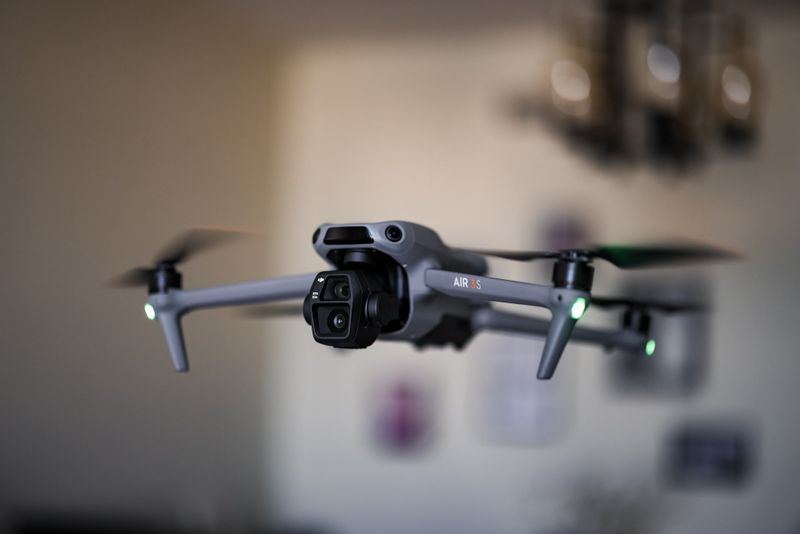 Foto illustrativa; potrebbe non mostrare il DJI Air 3S. Photo: Pexels
Il DJI Air 3S resiste a un vento massimo di 12,0 m/s (43,2 km/h / 26,8 mph / Beaufort 6) e funziona tra -10 °C e 40 °C (14 °F – 104 °F). Offre 45 minuti di volo e una quota massima di decollo di 6.000 m.
Idoneo al Volo (Entro i Limiti)
New York (40.71°, -74.01°)
Matrice Tecnica dei Limiti di Volo
Aerodinamica & Risposta al Vento del DJI Air 3S
Dotato di una fotocamera principale con sensore CMOS da 1 pollice e di un LiDAR frontale per evitare gli ostacoli di notte, il DJI Air 3S da 724 g è pensato per i creator esigenti di viaggi e paesaggi. DJI lo dichiara per un vento fino a 12 m/s (livello 6), più della serie Mini, il che gli dà più margine su coste e cime ventose.
Volo Invernale & Comportamento Chimico della Batteria
La batteria ad alta capacità da 4276 mAh dell'Air 3S se la cava bene con il freddo, ma sotto zero si consiglia di preriscaldarla sopra i 15 °C. Durante i voli invernali controlla la tensione delle singole celle nel menu batteria di DJI Fly.
Vento Forte & Wind Shear Verticale
Con una velocità massima di 21 m/s (75,6 km/h) in modalità Sport, l'Air 3S riesce a vincere forti raffiche frontali. Usa il calcolatore del wind shear verticale per prevedere quanto aumenta il vento a 120 m.
Domande Frequenti sul DJI Air 3S
Risposte basate sulle specifiche pubblicate da DJI e sui limiti meteo di UAV Meteo.
Droni simili al DJI Air 3S
Strumenti Meteo per Piloti di DJI Air 3S
Le specifiche provengono dalle informazioni di prodotto pubblicate da DJI per il DJI Air 3S. Il comportamento reale dipende anche dal terreno, dalla turbolenza, dallo stato della batteria e dal pilotaggio. Rispetta sempre le norme aeronautiche locali.