DJI Air 3S : Résistance au Vent & Limites Météo
Le DJI Air 3S est donné par le constructeur pour une vitesse de vent maximale de 12 m/s (43,2 km/h, 26,8 mph, Beaufort 6). C'est sa limite de vent : il peut donc voler jusqu'à cette vitesse. Pour garder une marge de sécurité, prévoyez un vent soutenu inférieur à environ 30 km/h et des rafales toujours sous la valeur indiquée.
Performances aérodynamiques, tolérance au vent et limites par temps froid pour le DJI Air 3S de DJI.
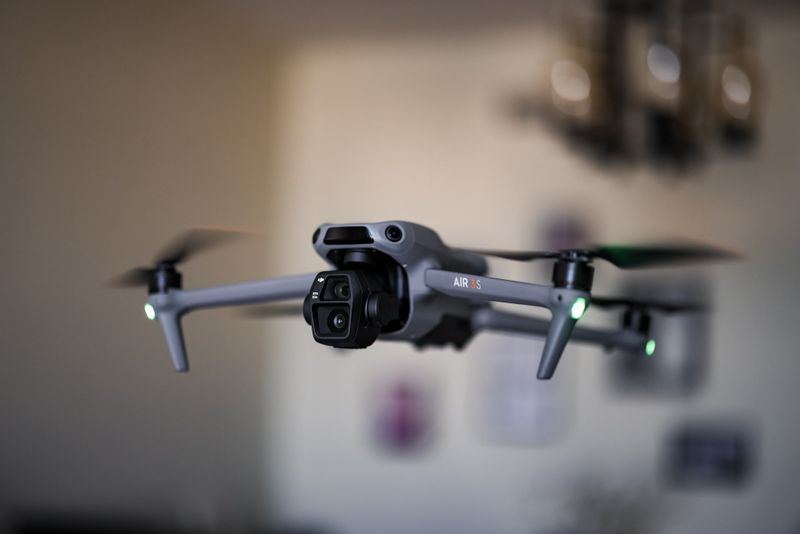 Photo d’illustration ; elle ne montre pas forcément le DJI Air 3S. Photo: Pexels
Le DJI Air 3S résiste à un vent maximal de 12,0 m/s (43,2 km/h / 26,8 mph / Beaufort 6) et fonctionne entre -10 °C et 40 °C (14 °F à 104 °F). Il offre 45 minutes d'autonomie et une altitude maximale de décollage de 6 000 m.
Vol Possible (Dans les Limites)
New York (40.71°, -74.01°)
Matrice Technique des Limites de Vol
Aérodynamique & Comportement au Vent du DJI Air 3S
Équipé d'une caméra principale à capteur CMOS de 1 pouce et d'un LiDAR frontal pour éviter les obstacles la nuit, le DJI Air 3S de 724 g est conçu pour les créateurs exigeants en voyage et en paysage. DJI le donne pour un vent jusqu'à 12 m/s (niveau 6), soit plus que la série Mini, ce qui lui laisse plus de marge sur les côtes et les sommets ventés.
Vol Hivernal & Comportement Chimique de la Batterie
La batterie de grande capacité de 4 276 mAh de l'Air 3S supporte bien le froid, mais il est recommandé de la préchauffer au-dessus de 15 °C par température négative. Surveillez la tension de chaque élément dans le menu batterie de DJI Fly pendant les vols d'hiver.
Vents Forts & Cisaillement Vertical du Vent
Avec une vitesse maximale de 21 m/s (75,6 km/h) en mode Sport, l'Air 3S vient à bout de fortes rafales de face. Utilisez le calculateur de cisaillement vertical du vent pour anticiper l'augmentation du vent à 120 m.
Foire Aux Questions sur le DJI Air 3S
Réponses fondées sur les caractéristiques publiées par DJI et sur les limites météo d’UAV Meteo.
Drones comparables au DJI Air 3S
Outils Météo pour Pilotes de DJI Air 3S
Les caractéristiques proviennent des informations produit publiées par DJI pour le DJI Air 3S. Le comportement réel dépend aussi du relief, des turbulences, de l’état de la batterie et du pilotage. Respectez toujours la réglementation aérienne locale.
Source : caractéristiques DJI du DJI Air 3S