DJI Mini 4 Pro: Resistencia al Viento y Límites Meteorológicos
El DJI Mini 4 Pro tiene una velocidad máxima de viento de 10,7 m/s según el fabricante (38,5 km/h, 23,9 mph, Beaufort 5). Ese es su límite de viento, así que puede volar con viento de hasta esa velocidad. Para tener un margen de seguridad, planifica con viento sostenido por debajo de unos 27 km/h y mantén las rachas por debajo del límite.
Rendimiento aerodinámico, tolerancia al viento y límites de operación en clima frío para el DJI Mini 4 Pro de DJI.
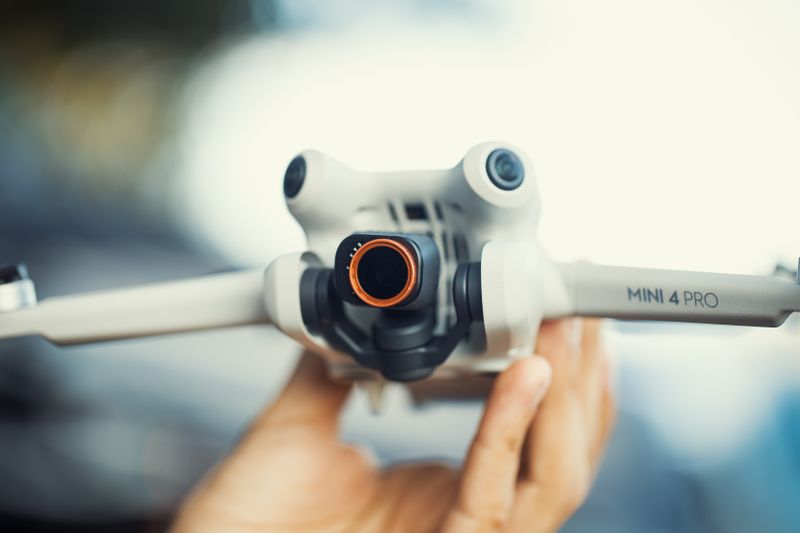 Foto ilustrativa; puede que no muestre el DJI Mini 4 Pro. Photo: Pexels
El DJI Mini 4 Pro soporta, según el fabricante, un viento máximo de 10,7 m/s (38,5 km/h / 23,9 mph / escala Beaufort 5) y funciona entre -10 °C y 40 °C (14 °F a 104 °F). No tiene ningún índice de protección IP contra el agua y no puede volar con lluvia ni con niebla densa.
Apto para Volar (Dentro de Límites)
New York (40.71°, -74.01°)
Matriz Técnica de Clima y Límites de Vuelo
Aerodinámica y Respuesta al Viento del DJI Mini 4 Pro
El DJI Mini 4 Pro es un dron ultraligero de menos de 249 g, con detección de obstáculos omnidireccional y la transmisión O4, la más avanzada de DJI. A pesar de su tamaño compacto, sus motores sin escobillas mejorados y la geometría aerodinámica de sus hélices le dan una resistencia al viento de nivel 5. Aun así, por su estructura ligera, con rachas de viento cerca de acantilados o crestas de montaña conviene tener una reserva de energía extra para volver contra el viento.
Vuelo en Frío y Comportamiento Químico de la Batería
Por debajo de 5 °C (41 °F), la tensión de la batería baja más rápido porque aumenta su resistencia interna. Calienta siempre las baterías antes del vuelo, en una bolsa aislante o dentro de la chaqueta, hasta al menos 20 °C. Mantén el dron en vuelo estacionario 60 segundos tras el despegue para que la batería se caliente sola, y activa el regreso a casa (RTH) cuando la capacidad llegue al 30 %.
Vientos Fuertes y Cizalladura Vertical
A 100–120 m de altura, el viento suele ser entre 1,5 y 2 veces más fuerte que a nivel del suelo. Cambia al modo Sport para aprovechar la velocidad máxima de 16 m/s (57,6 km/h) contra el viento, y coloca siempre el dron a barlovento durante la primera mitad de la batería.
Preguntas Frecuentes sobre el DJI Mini 4 Pro
Respuestas basadas en las especificaciones publicadas por DJI y en los límites meteorológicos de UAV Meteo.
Drones parecidos al DJI Mini 4 Pro
Herramientas de Clima para Pilotos de DJI Mini 4 Pro
Las especificaciones proceden de la información de producto publicada por DJI para el DJI Mini 4 Pro. El comportamiento real también depende del terreno, las turbulencias, el estado de la batería y el pilotaje. Respeta siempre la normativa aeronáutica local.