DJI Mavic 3 Enterprise: Resistencia al Viento y Límites Meteorológicos
El DJI Mavic 3 Enterprise tiene una velocidad máxima de viento de 12 m/s según el fabricante (43,2 km/h, 26,8 mph, Beaufort 6). Ese es su límite de viento, así que puede volar con viento de hasta esa velocidad. Para tener un margen de seguridad, planifica con viento sostenido por debajo de unos 30 km/h y mantén las rachas por debajo del límite.
Rendimiento aerodinámico, tolerancia al viento y límites de operación en clima frío para el DJI Mavic 3 Enterprise de DJI.
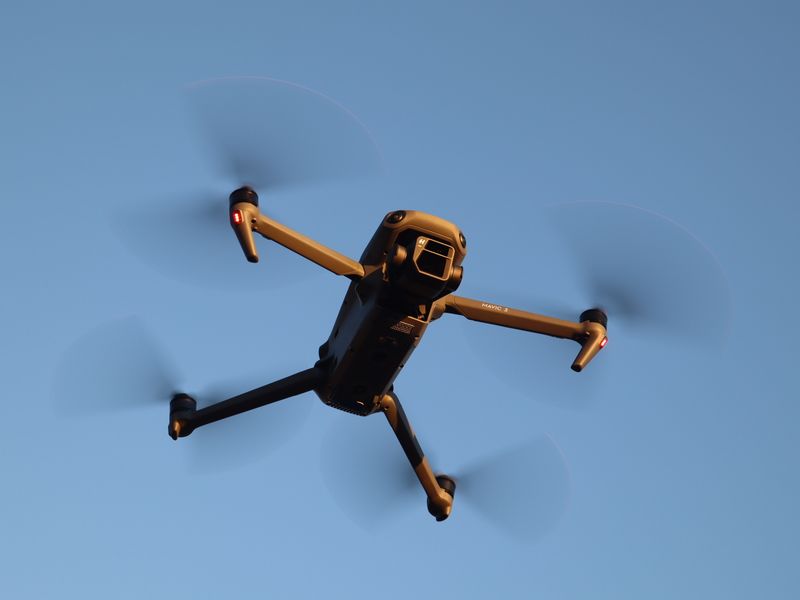 Foto ilustrativa; puede que no muestre el DJI Mavic 3 Enterprise. Photo: Pexels
El DJI Mavic 3 Enterprise (3E/3T) soporta un viento de 12,0 m/s (43,2 km/h / 26,8 mph / Beaufort 6), permite hacer levantamientos a alta velocidad con su obturador mecánico y funciona de -10 °C a 40 °C (14 °F a 104 °F). No tiene índice de protección IP.
Apto para Volar (Dentro de Límites)
New York (40.71°, -74.01°)
Matriz Técnica de Clima y Límites de Vuelo
Aerodinámica y Respuesta al Viento del DJI Mavic 3 Enterprise
Diseñada para cartografía profesional, topografía e inspección térmica, la serie Mavic 3 Enterprise (M3E / M3T) admite un módulo RTK y un obturador mecánico. Con resistencia al viento de nivel 6 y 45 minutos de vuelo, realiza fotogrametría aérea precisa incluso en campo con viento.
Vuelo en Frío y Comportamiento Químico de la Batería
En operaciones profesionales en invierno, usa el hub de carga de 100 W para calentar las baterías antes de la misión. La app DJI Pilot 2 ofrece telemetría de las celdas de la batería en tiempo real.
Vientos Fuertes y Cizalladura Vertical
Al cartografiar con viento superior a 8 m/s, orienta las líneas de vuelo del levantamiento perpendicular o paralelamente al viento para reducir el ángulo de deriva y mantener una resolución en el suelo (GSD) constante.
Preguntas Frecuentes sobre el DJI Mavic 3 Enterprise
Respuestas basadas en las especificaciones publicadas por DJI y en los límites meteorológicos de UAV Meteo.
Drones parecidos al DJI Mavic 3 Enterprise
Herramientas de Clima para Pilotos de DJI Mavic 3 Enterprise
Las especificaciones proceden de la información de producto publicada por DJI para el DJI Mavic 3 Enterprise. El comportamiento real también depende del terreno, las turbulencias, el estado de la batería y el pilotaje. Respeta siempre la normativa aeronáutica local.
Fuente: especificaciones de DJI para el DJI Mavic 3 Enterprise