DJI Air 3S: Resistencia al Viento y Límites Meteorológicos
El DJI Air 3S tiene una velocidad máxima de viento de 12 m/s según el fabricante (43,2 km/h, 26,8 mph, Beaufort 6). Ese es su límite de viento, así que puede volar con viento de hasta esa velocidad. Para tener un margen de seguridad, planifica con viento sostenido por debajo de unos 30 km/h y mantén las rachas por debajo del límite.
Rendimiento aerodinámico, tolerancia al viento y límites de operación en clima frío para el DJI Air 3S de DJI.
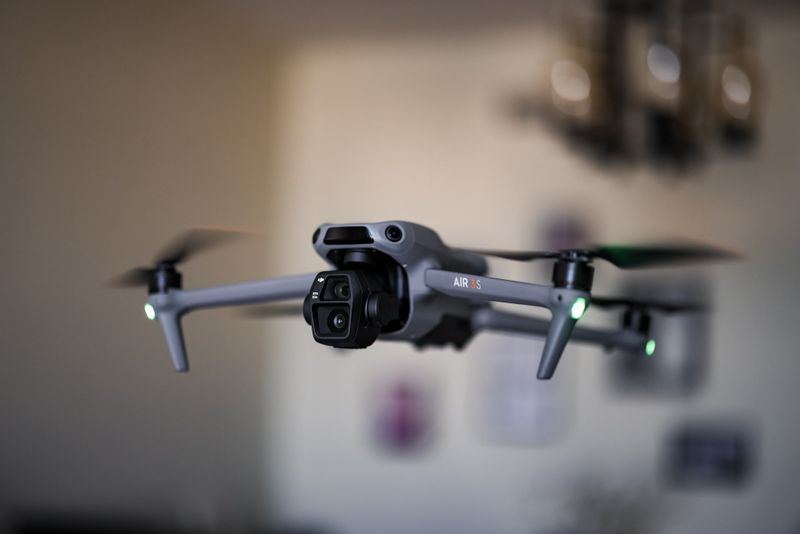 Foto ilustrativa; puede que no muestre el DJI Air 3S. Photo: Pexels
El DJI Air 3S soporta un viento máximo de 12,0 m/s (43,2 km/h / 26,8 mph / Beaufort 6) y funciona entre -10 °C y 40 °C (14 °F a 104 °F). Ofrece 45 minutos de vuelo y una altitud máxima de despegue de 6000 m.
Apto para Volar (Dentro de Límites)
New York (40.71°, -74.01°)
Matriz Técnica de Clima y Límites de Vuelo
Aerodinámica y Respuesta al Viento del DJI Air 3S
Equipado con una cámara principal con sensor CMOS de 1 pulgada y un LiDAR frontal para evitar obstáculos de noche, el DJI Air 3S de 724 g está pensado para creadores exigentes de viajes y paisajes. DJI lo da para viento de hasta 12 m/s (nivel 6), más que la serie Mini, lo que le da más margen en costas y cumbres con viento.
Vuelo en Frío y Comportamiento Químico de la Batería
La batería de alta capacidad de 4276 mAh del Air 3S soporta bien el frío, pero por debajo de cero se recomienda precalentarla por encima de 15 °C. Vigila la tensión de cada celda en el menú de batería de DJI Fly durante los vuelos de invierno.
Vientos Fuertes y Cizalladura Vertical
Con una velocidad máxima de 21 m/s (75,6 km/h) en modo Sport, el Air 3S puede vencer fuertes rachas de viento de frente. Usa la calculadora de cizallamiento vertical del viento para anticipar cuánto aumenta el viento a 120 m.
Preguntas Frecuentes sobre el DJI Air 3S
Respuestas basadas en las especificaciones publicadas por DJI y en los límites meteorológicos de UAV Meteo.
Drones parecidos al DJI Air 3S
Herramientas de Clima para Pilotos de DJI Air 3S
Las especificaciones proceden de la información de producto publicada por DJI para el DJI Air 3S. El comportamiento real también depende del terreno, las turbulencias, el estado de la batería y el pilotaje. Respeta siempre la normativa aeronáutica local.